
Iowa homeowners
Does Home Insurance Cover Foundation Repair in Iowa?
Found a foundation problem and wondering if insurance will pay? It depends on what caused the damage and what your policy says. Here’s what usually decides it, and what to do first.
Free to request · One local contractor · No obligation to hire
The short answer
Sometimes, but often not. What decides it is the cause of the damage, not how bad it looks.
- Homeowners policies are generally built around sudden, accidental events.
- Foundation damage usually happens slowly, through soil movement and water over time.
- Many policies exclude settling, cracking, earth movement and gradual wear.
So two houses with the same crack can get opposite answers, one from a sudden covered event and one from years of soil movement.
The Iowa Insurance Division says items like flood and earthquake are generally not covered by regular homeowners insurance. Those need separate coverage, so talk to a licensed agent.
Where to look in your own policy
Your policy is the document that decides this. Get the full policy wording, not just the summary page. Then look for:
- The exclusions section. Look for words like earth movement, settling, cracking, shrinking, bulging or expansion of foundations, floors or walls. Write down the exact wording.
- Concurrent causation language. Some policies contain anti-concurrent-causation clauses that can limit coverage when both covered and excluded causes contribute to the same loss. How these clauses apply depends on the exact policy wording and applicable law.
- How water damage is handled. Policies usually treat a sudden burst pipe very differently from water seeping through a wall over time.
- Your deductible, and any separate deductible for certain kinds of damage.
Then call your agent. Read them the wording you found, describe what happened, and ask for their answer in writing.

What to do first, in order
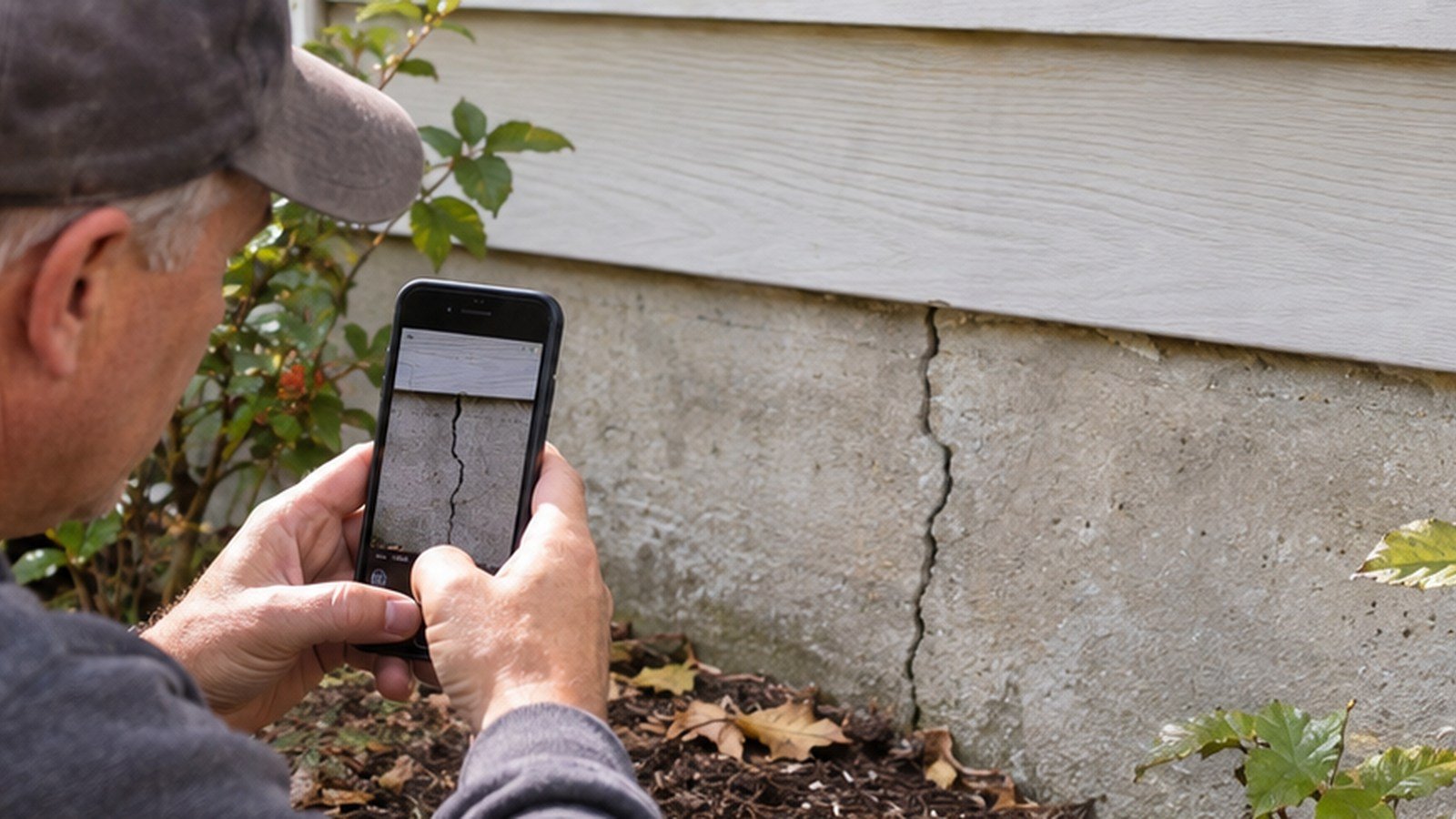
- Photograph everything, with dates. Wide shots and close-ups, with a ruler or coin next to each crack. Include the outside of the house, the ground, and the downspouts.
- Take reasonable steps to prevent more damage, like stopping an active leak. Keep receipts and damaged parts when it’s safe to.
- Review your policy and contact your insurer or agent promptly if the damage may be covered. Ask about reporting deadlines and what documentation they need.
- Consider an independent structural engineer if the cause is unclear or disputed.
- Get repair estimates, and coordinate permanent repairs with your insurer if a claim is involved.
About inspections
A repair company’s inspection can identify possible causes and recommend repairs. An independent structural engineer can provide a separate assessment, which may be useful if the cause of the damage is disputed.
Published foundation inspection costs commonly range from $300 to $1,000. An independent structural engineer’s investigation or written report may cost more, depending on the scope.
Why the cause matters more than the damage
Insurers don’t pay for a crack. They decide whether the thing that caused it is covered.
That’s why a foundation problem can be expensive, not your fault, and still not covered, all at the same time. Soil slowly moving under a house is ordinary ground behavior, and many policies aren’t written to pay for that.
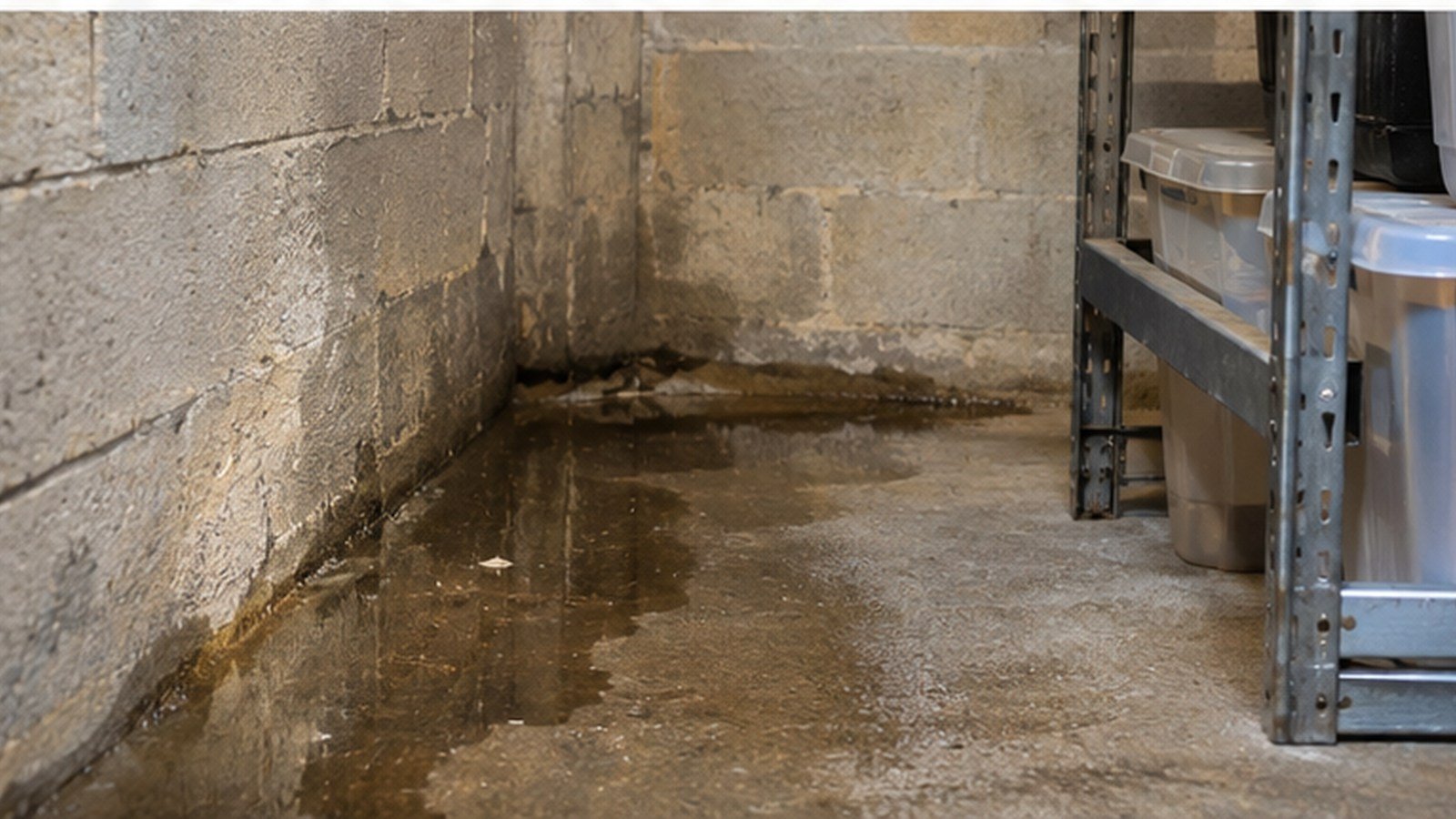
Water works the same way. A sudden pipe leak, groundwater seeping through a wall, and flooding are often treated very differently.
This is especially relevant in central Iowa. The Iowa Geological Survey describes drainage across the Des Moines Lobe as incomplete, and some common local soils are classified as poorly drained. Clay holding water against a foundation is common here, and that’s the kind of gradual condition policies often exclude.
If your claim is denied
- Ask for the decision in writing, with the exact policy wording it’s based on.
- Compare that wording to your own policy and any engineer’s report. Sometimes the insurer assumed a different cause than the one the engineer found.
- If you think the decision is wrong, the Iowa Insurance Division takes consumer complaints about insurers. You can reach them at 515-654-6600 or file a complaint online.
If the foundation needs repair, an insurance denial doesn’t make the problem go away. Our foundation repair cost page explains published repair costs so you can plan your next steps.
Common questions
Does homeowners insurance cover water in the basement?
It depends on where the water came from. Policies usually treat a sudden pipe or appliance leak, groundwater seeping through a wall, and flooding differently. The Iowa Insurance Division notes that flood is generally not covered by regular homeowners insurance.
Sewer or drain backup is often a separate add-on you either bought or didn’t. Check your policy now, not after a storm.
Is foundation settling covered?
Often not. “Settling” is a word to look for in your exclusions, usually listed with cracking, shrinking and bulging. If your policy names it, that’s a strong sign of how a settling claim will be treated.
Should I file a claim if I’m not sure?
Talk to your agent or insurer. Ask about reporting deadlines and whether your conversation will be treated as an inquiry or a claim, since a claim on your record can matter at renewal.
Don’t delay reporting a potentially covered loss simply to avoid having a claim on your record.
Does a repair warranty work like insurance?
No. A contractor’s warranty covers their own work and is only as good as the company behind it. Ask who backs it, whether it transfers if you sell, what the transfer fee and deadline are, and what voids it.
“Changes in soil conditions” is a common exclusion.
This page is general information, not insurance or legal advice. We don’t sell insurance and can’t tell you what your policy covers. For advice about your coverage, talk to your agent or the Iowa Insurance Division.
Get a repair quote while you sort out the insurance
Knowing what the repair actually costs makes the insurance conversation easier. Tell us what your house is doing.
We’ll connect you with an independent local foundation repair contractor. They can talk through the problem with you and explain the next steps toward an estimate.